
What Happens to Your Eggs After Egg Freezing? Understanding Long-Term Storage
Egg freezing has become an increasingly popular option for individuals looking to preserve their fertility, but once the eggs are frozen, what actually happens to them? Understanding the journey of frozen eggs from transportation to long-term storage can offer reassurance and peace of mind, allowing you to focus on your future plans without the added stress of uncertainty about your reproductive options.
Transportation and Storage
Once your eggs are successfully frozen, the next step is transporting them. While some fertility clinics offer storage options, these are typically limited in space and more costly than a long-term storage facility. Your fertility clinic will coordinate with the long-term storage facility, which will carefully package and transport your eggs to ensure they remain at the optimal temperature and are handled with utmost care to prevent damage.
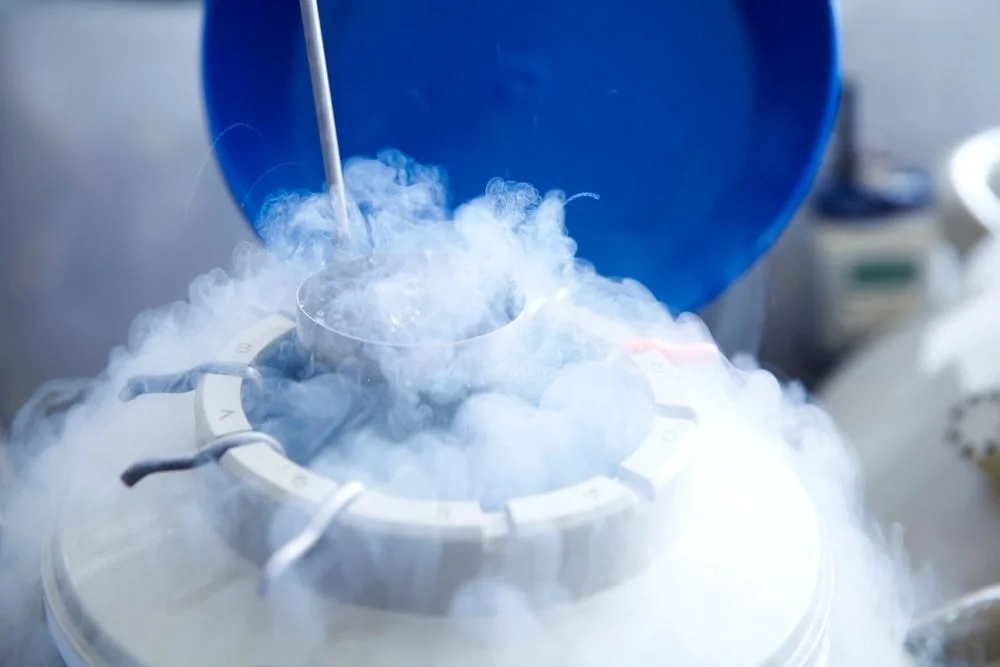
Upon arrival, the eggs are placed in specialized cryogenic storage tanks filled with liquid nitrogen, where they are stored at approximately -321° Fahrenheit. This low temperature prevents ice crystal formation, preserving the integrity of the eggs for many years to come. Long-term egg storage facilities are equipped with advanced technology to monitor conditions and ensure the eggs remain viable.
Long-Term Security Measures
The security of your frozen eggs is a top priority in long-term storage facilities. These facilities implement a range of safety measures, from secure access controls to ensure only authorized personnel can reach the specimen storage area, to automated monitoring systems that track temperature and nitrogen levels around the clock.
In addition to physical safeguards, many facilities have backup systems, such as secondary nitrogen tanks and alarms that alert staff to temperature changes. These measures help mitigate risks and ensure that your eggs are preserved as safely as possible for future use.
How Long Can Frozen Eggs Be Stored?
As long as proper storage protocols are followed and you’re working with an experienced fertility team, reproductive tissues have no known expiration date. This longevity offers peace of mind, allowing individuals to grow their family on their own timeline.
Several factors can influence the length of storage, including the health of the eggs at the time of freezing, the storage facility's policies, and personal circumstances. Some individuals may choose to thaw and use their eggs within a few years, while others might keep them stored longer.
Preserving Your Eggs With Long-Term Storage
The process of egg freezing and long-term storage is an empowering way to take control of your reproductive journey, allowing you to build your family when you're ready. At HavenCryo, we understand the importance of this decision and offer comprehensive long-term storage solutions. Our state-of-the-art technology, combined with advanced safety measures, ensures the safe and effective preservation of your eggs. Contact us today for more information or to get started.
About HavenCryo Blog
The HavenCryo Blog features need-to-know information for all aspects of cryostorage.